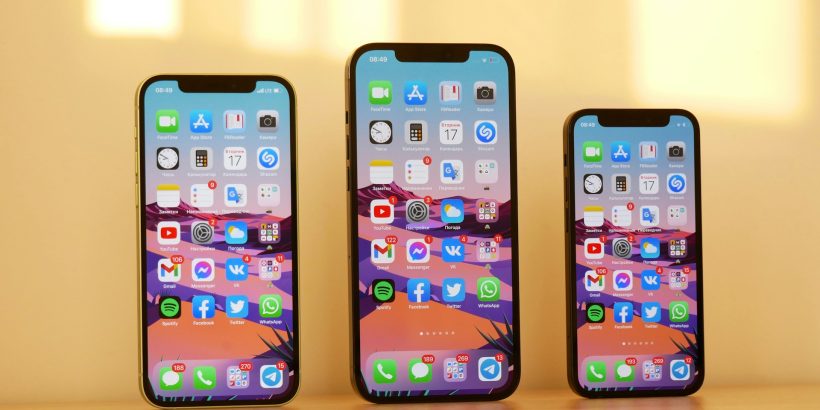
If you’re running iOS 26.5 on your iPhone right now, you’re officially locked in. Apple just made the routine but decisive move of closing the signing window for iOS 26.4.2. Once they stop signing an older firmware, the door to downgrade is bolted shut. It’s a standard playbook for Cupertino: drop an update, leave a tiny grace period for users to bail out if things break, and then cut the cord to keep the ecosystem secure and up to date. The good news here is that iOS 26.5 looks like a highly stable release. Most of the heavy software lifting for the iOS 26 cycle is already in the rearview mirror, which isn’t exactly shocking considering our proximity to WWDC 2026. Aside from a potential minor patch down the road, developer focus is actively shifting toward the upcoming iOS 27 beta.
That same aggressive, unsentimental approach to software is perfectly mirrored in how Apple handles its hardware materials. Case in point: shifting the iPhone 17 Pro frame back to aluminum. For a minute there, it looked like titanium was the undisputed future. But the tech giant has never been religiously devoted to a single material. Over the years, we’ve watched them pivot from the plastic of early MacBooks to rigid aluminum, jump to glossy stainless steel for premium iPhones to add a luxury feel, and then land on titanium to shave off weight for the iPhone 15 Pro.
So does the aluminum return mean titanium was a bust? Not necessarily. According to a May 17 Weibo post by the leaker Instant Digital—a source with a spotty but occasionally spot-on track record—Apple is far from abandoning titanium. They are reportedly deep in the lab testing new titanium alloys for future high-end models, keeping a completely new “weapon” quietly holstered for the iPhone 18 Pro Max.
The reality is that Apple will aggressively market a design choice right up until the exact moment it no longer makes technical sense. We saw them quietly put the Butterfly keyboard, the Touch Bar, and those disastrous FineWoven accessories out to pasture the second the tradeoffs outweighed the benefits. Titanium ran into a very modern physical wall: heat. Sure, it’s incredibly durable and light, but it’s a nightmare to machine, drives up production costs, and is objectively terrible at dissipating heat. Thermals have become the absolute bottleneck for modern smartphones. When you’re asking a device to chew through heavy on-device AI tasks, run AAA games, and process high-res video rendering on the fly, sustained performance lives or dies by how fast that chassis can shed heat. Following the launch of the iPhone 15 Pro, a wave of users reported rapid overheating during heavy workloads—an issue Apple initially chalked up to software bugs and unoptimized third-party apps, but the underlying thermal reality of the metal remained.
This is exactly why reverting to aluminum was a necessary, pragmatic fix rather than a step backward. Aluminum is cheap, highly flexible for thin designs, easy to recycle, and it pulls heat away from the internal components like a champ. It directly addresses the evolving priorities of device performance over pure luxury marketing.
But Cupertino is always playing the long game, exploring outer-edge concepts like liquid metal and all-glass chassis designs. Granted, rolling out liquid metal for an entire phone frame is a massive logistical headache. Scaling it up for mass production brings severe hurdles regarding moldability, overall durability, and repairability, which even the current leak chatter acknowledges. Where liquid metal actually makes a ton of sense, however, is in the foldable space. A foldable hinge demands an insanely durable material operating in a microscopic footprint, making it a far more promising candidate for moving parts than a full exterior shell. Apple isn’t afraid to step back, retool, and wait for the manufacturing tech to catch up to the vision. Until they figure out how to engineer the thermal drawbacks out of titanium or scale their liquid metal prototypes, it seems aluminum will reliably hold the line.